Thanks for checking out my photos. Here are some directions to try these yourselves!
Physiograms
Materials
- Camera capable of unlocking the shutter for an indefinite amount of time
- I like to use a DSLR with a remote shutter device. Refer to your camera’s manual on setting up an indefinite shutter (sometimes called Bulb mode).
- A neutral density (ND) filter (variable or many sets)
- I prefer a variable ND to quickly change stops if I need
- A tripod that can angle a camera towards the roof
- Some string
- A flashlight
- I use the classic MagLite flashlight (non LED) as it is the best for long exposure
- Any flashlight can work but be careful with LED’s as the Strobe Effect can cause dashed lines
- It must have a focused point of light, you might need to remove the cap or protector on the flashlight
Setup
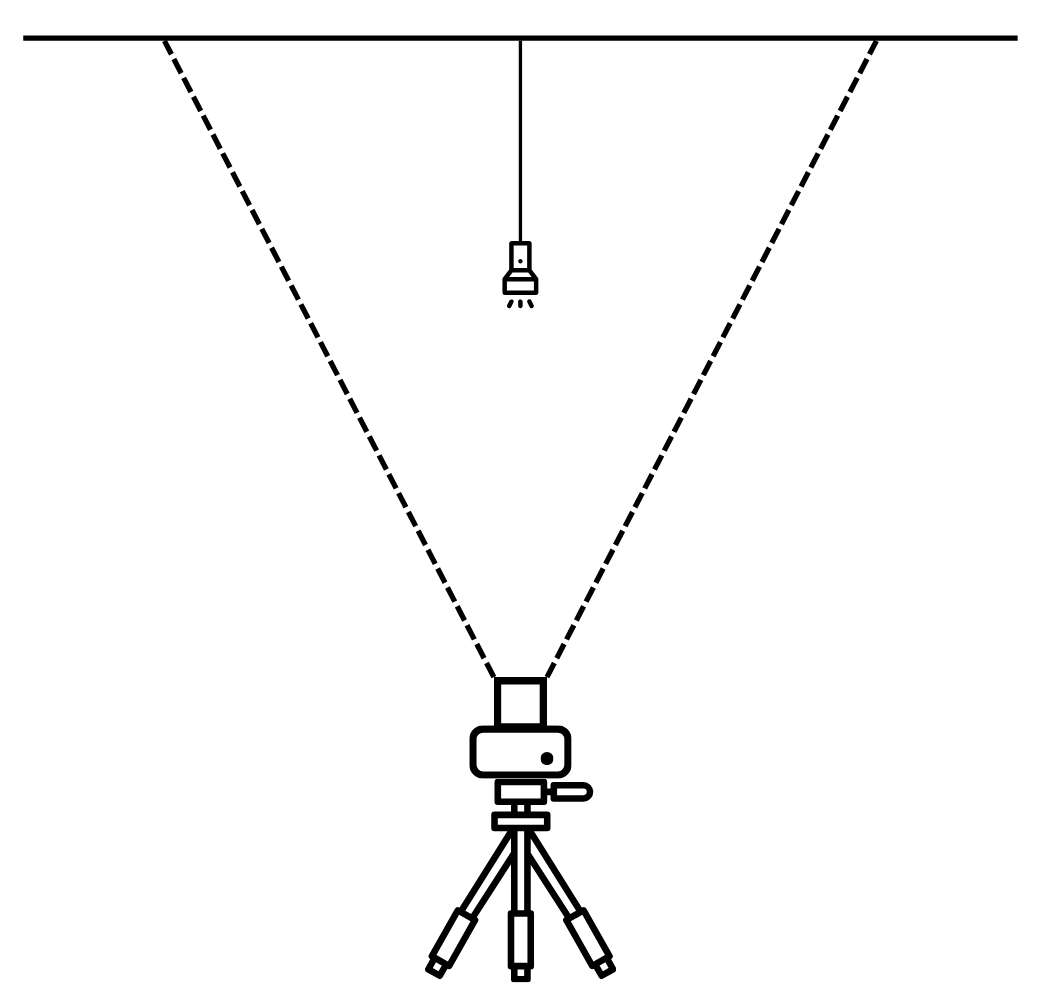
- Attach the string to the flashlight and hang it off the roof or equivalent. The string must be atleast a few feet in length.
- Remove the flashlight cap so it is a single point of emission and turn it on
- Setup your tripod with your camera facing the flashlight directly in the middle
- Focus your camera on the point of light (you might need to contort your body to see in the viewfinder)
- Attach your ND filter. If its variable you will need a large step so fairly dark
- Set your camera to bulb mode. Set the ISO to the lowest possible (usually 100) and use the highest f-stop value. Ready your remote shutter.
- Turn off all the lighs
- Swing the flashlight in the desired direction and activate your shutter
- Let it swing for as long or short as you like and re-activate your shutter to stop the photo
- You should see a classic physiogram appear!
- See Image for reference
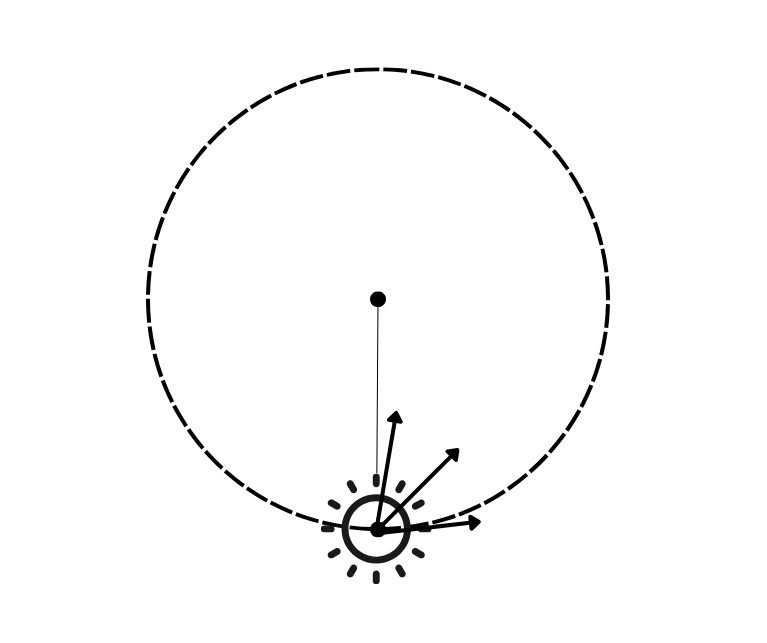
You can swing in any of the following directions, each will give a unique effect.
Troubleshooting
Some common problems that you might encounter:
- You might have too much or too little light enter. This is where its important to use a variable ND filter and adjust accordingly. You can also adjust your ISO/Aperature.
- Dashed lines? This is probably because you are using an LED bulb which strobes. Find a different LED or use a incandescent bulb.